
Painful Intimacy: Advice from a pelvic health physiotherapist
Dyspareunia Why does sex hurt? Painful sex is a taboo topic
Pelvic Health in Men’s Health
Why has my urologist recommended I see a pelvic floor physiotherapist? Pelvic
Diatasis Recti Abdominis Muscle (DRAM) and Abdominoplasty- my personal experience
4 years ago I had my life changing abdominoplasty surgery.
Private Subconscious-mind Healing (P.S.H.) – An Innovative Approach to Therapy
Private Subconscious-mind Healing (P.S.H.) – An Innovative Approach to Therapy Discover
Recovery After C-Section – Advice from a Women’s Health Physiotherapist
Recovery After C-Section – Advice from a Women’s Health Physiotherapist Congratulations on
Improving your Bone Health in Osteoporosis or Oesteopenia
Do you suffer from osteoporosis or osteopenia? Exercise is a CRITICAL component
Pregnancy Massage: Busting the Myths!
10 Pregnancy Massage Myths There are many myths surrounding massage during pregnancy,
Stress and Relaxation: Impact on Health
The terms stress and relaxation have different meanings in different contexts, however

Breastfeeding week
The first week of August we celebrate breastfeeding week. Its our way
Managing Constipation – Physiotherapy Advice
The digestive system & constipation To help you to understand how to
Managing Wrist Pain in Pregnancy: Carpl tunnel Syndrome
Pregnancy-related Carpal Tunnel Syndrome What is it? The carpal tunnel is
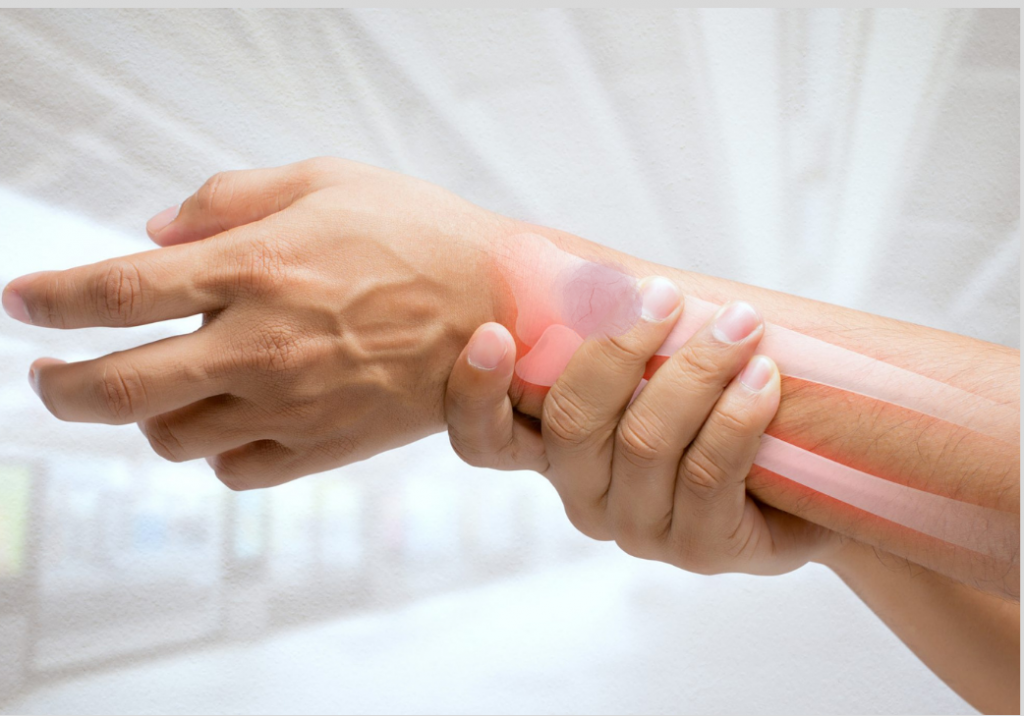
Postpartum wrist pain: De Quervain’s Tenosynovitis
De Quervain’s Tenosynovitis is an inflammatory condition where the tendons on

Managing the pain in the postpartum period
Pain in the postpartum In today’s blog, we take a look
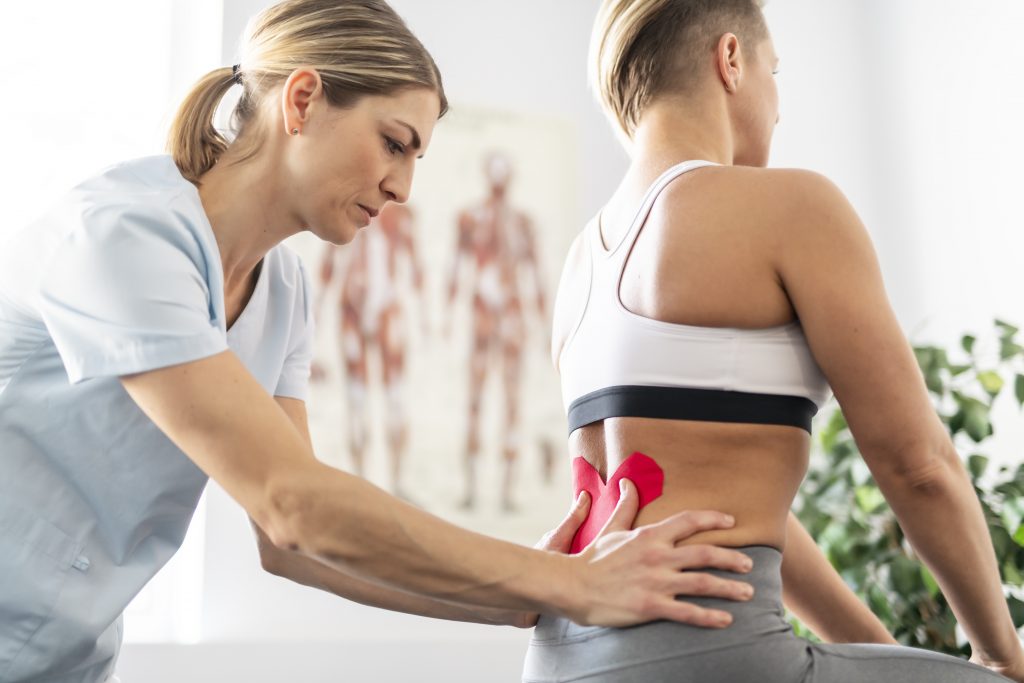
What is Pelvic Floor Physiotherapy? Unique
What is Pelvic Floor Physiotherapy? This is a specialized advanced

Overcoming Pain with Sex – Success story
Pain with sexual intercourse, also known as dyspareunia, is recurring pain that

Blocked ducts in breastfeeding- 5 ways physiotherapy can help.
What are blocked ducts and how does breastfeeding work? Ducts in the

Top 3 ways physiotherapy can help you to reclaim your pregnancy bliss and manage pelvic girdle pain
During pregnancy do you experience pain with – walking? – difficult standing
Returning to exercise: A pelvic physiotherapist’s guide
Considering exercise but have noticed either you: Experience urine loss when you
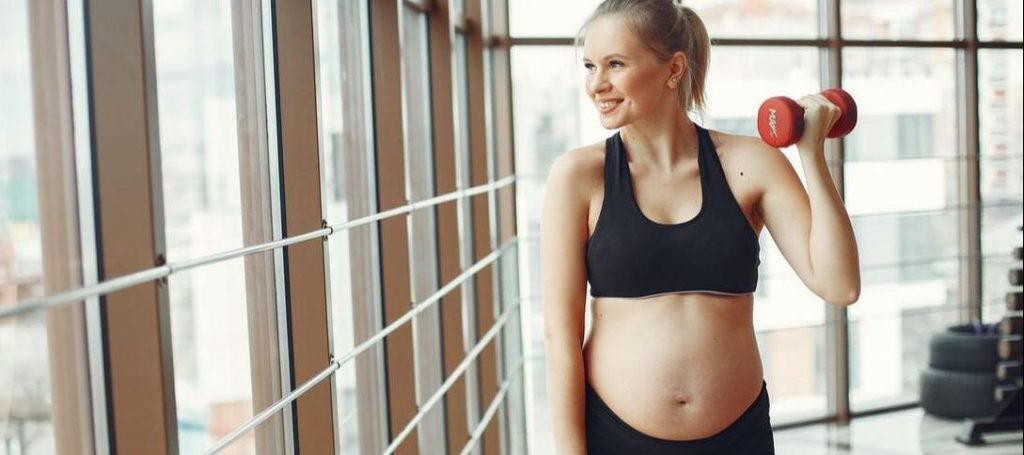
Exercise and Pregnancy: 4 visible and invisible changes
Pregnancy is known as an exciting time for the expectant family especially

Pelvic Organ Prolapse: Physiotherapy Top 5 Tips
Do you ever experience any of the following? A feeling of a
Interview with Fiona Rogers owner of e-store Pelvic Floor Exercise
Recently Victorian committee member Tafy Seade, principal physiotherapist of Inner Active Pelvic

Physiotherapy treatment before and after Prostatectomy – Prostate Surgery
Prostate cancer is the most common cancer in men. It is known
Interview with Gastroenterologist – Insight into Chronic Constipation
In this month’s blog, Tafy had the opportunity to interview Dr Simon

More than 1 Useful things to know overractive Pelvic Floor Muscles
What is Pelvic Floor Muscles Overactivity? and how do you identify it?
COVID-19- Update July 2020
Dear clients, At Inner Active Pelvic Physiotherapy the health and safety of

Understanding the Menstrual Cycle
Want to know just how complex a female’s menstrual cycle is? Take
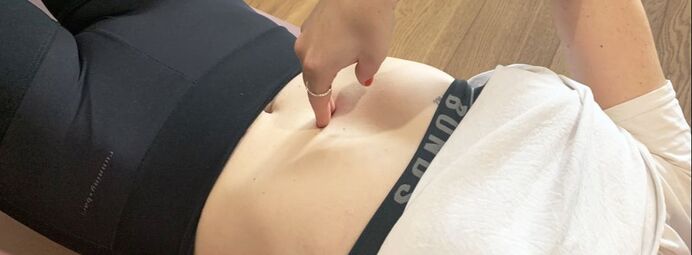
Abdominal muscle separation Physiotherapy Advice- Part 2
How to check for an abdominal muscle separation. In the clinic,

Abdominal muscle separation Physiotherapy Advice- Part 1
Abdominal Muscle Separation, also known as Diastasis of the Rectus Abdominus Muscle
COVID- 19 update March 2020
Dear clients As you know, the health of our clients, our team

Endometriosis and Persistent pelvic pain… The role of Pelvic Physiotherapy
Persistent pelvic pain is known to be continuous pain that can be
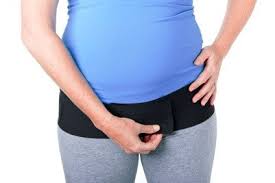
Pregnancy Pelvic Support Belt: Conquer pregnancy pain
Recently Victorian committee member Tafy Seade, principal physiotherapist of Inner Active Pelvic

Diabetes in Pregnancy – Physiotherapy Advice
Often times a diagnosis of diabetes in pregnancy also known as Gestational

How to take care of your pelvic floor muscles during the winter months
With the cold winter weather here it is hard to avoid the

Mother’s Day Dedication: Breast Cancer Survivor My Hero My Mom
As mothers day approaches I could not find a more fitting way

Pelvic Health checklist
Simple tool to check your pelvic floor muscles Early identification of pelvic
Preparing for your gynecological surgery
Many women are undergoing gynecological surgery for incontinence, prolapse, and hysterectomy.
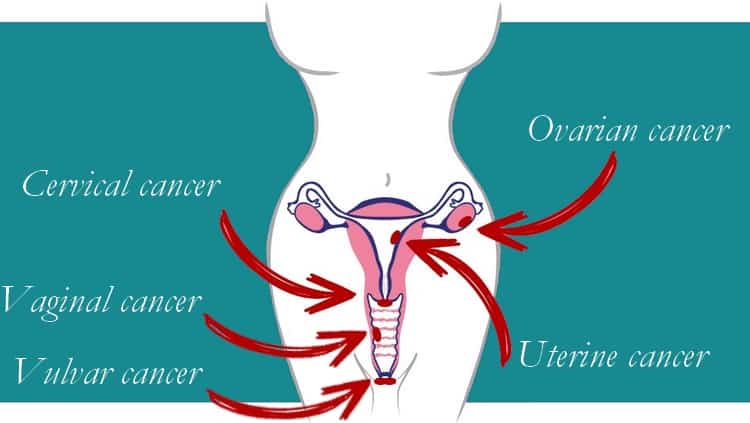
Cancer and the Pelvic Floor
Author: Lisa Cheek, PT, DPT, CLT-LANA Everything you wanted to know about

HAYFEVER AND BLADDER LEAKAGE
Spring is here and the sun is out but unfortunately that also
Staying active with pelvic floor muscle dysfunction
When facing problems with pelvic floor muscles conditions the last thing most
Pelvic Girdle Pain in Pregnancy
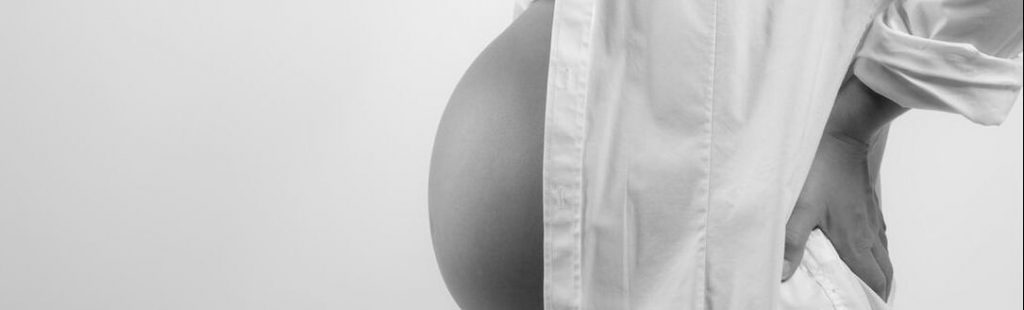
Pregnancy-related pelvic girdle pain is a condition that causes pain around the
Healthy Habits: Bladder and Bowel Care
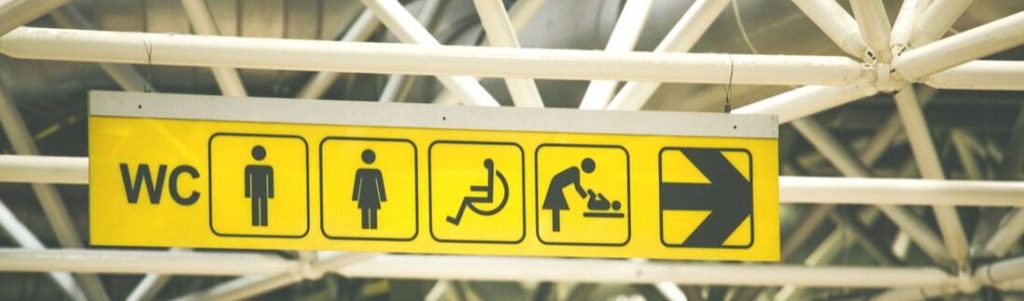
Going to the toilet is a big part of our lives. But
5 tips to help you return to running when faced with pelvic floor issues
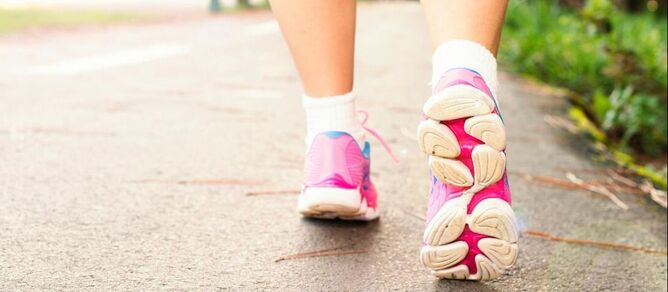
This past weekend a friend and I went to the local park
What is Pelvic Physiotherapy
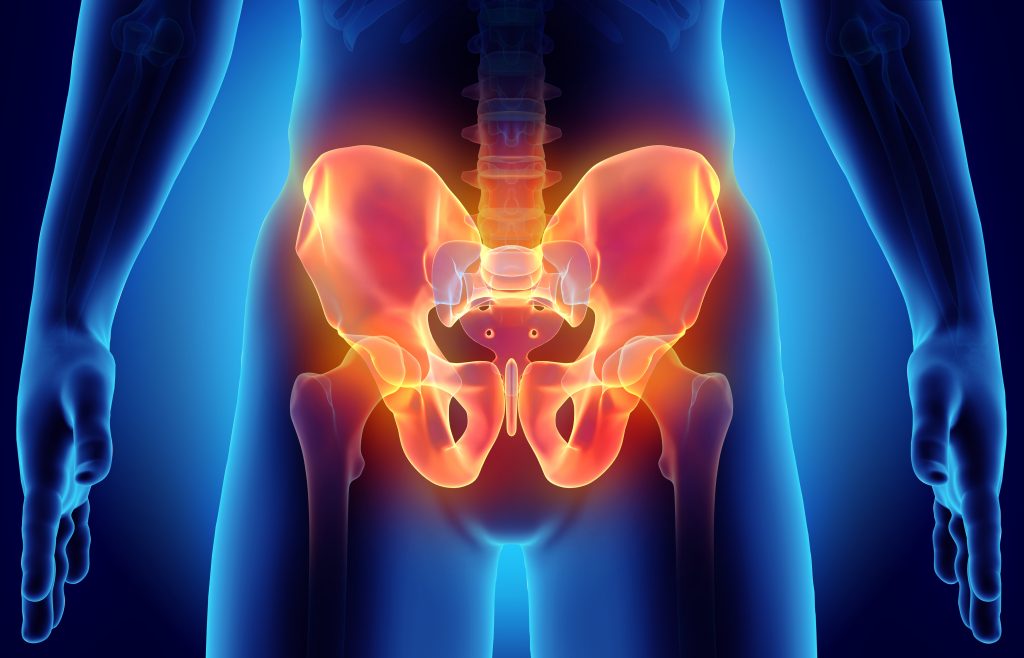
What is Pelvic Physiotherapy? This is a specialized advanced area of physiotherapy